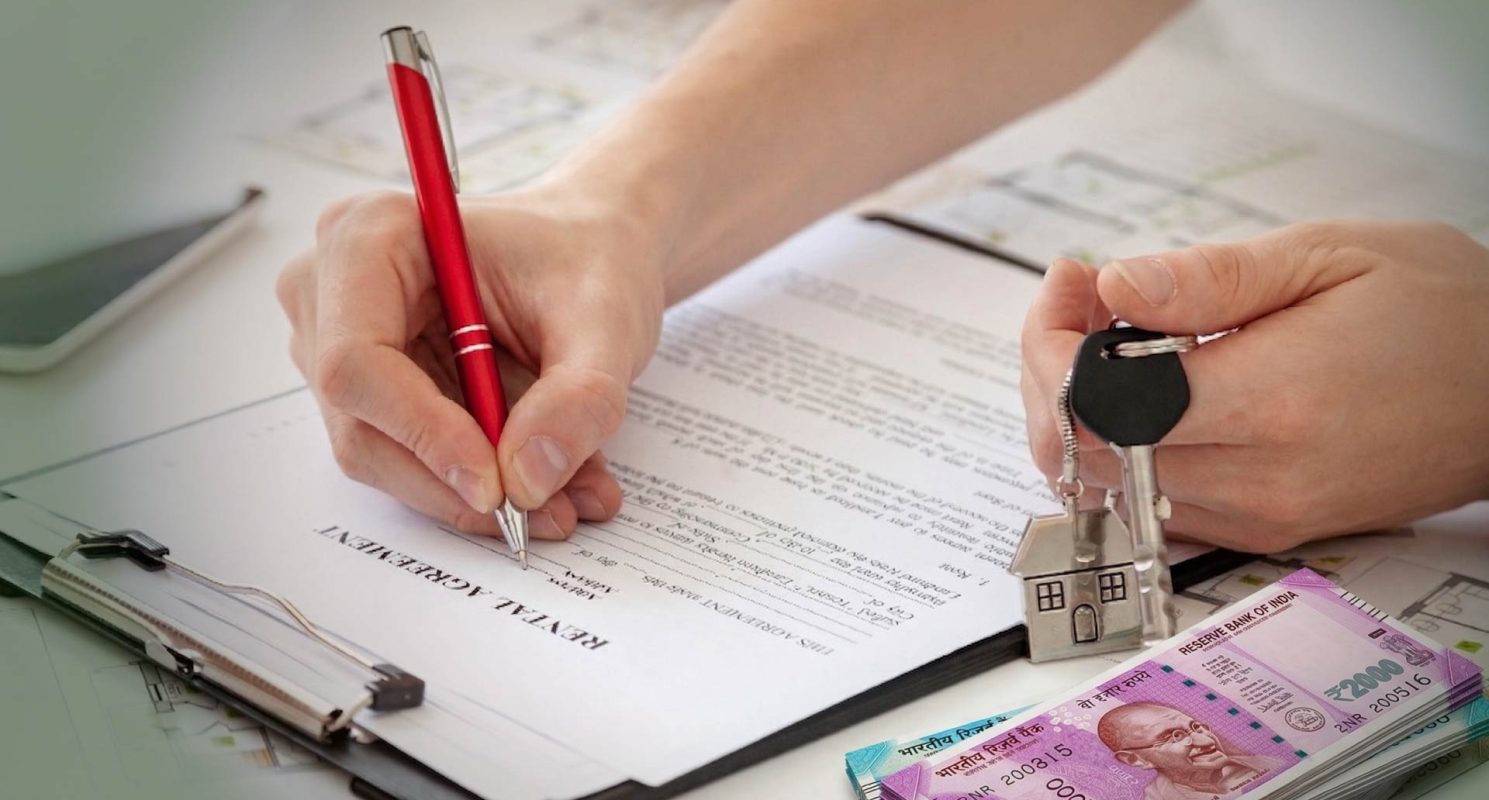
A PG agreement isn’t just paperwork. It decides how much deposit you lock up, how long you’re stuck if things go wrong, and whether “all-inclusive” actually means inclusive.
In Pune’s IT belt, most disputes aren’t dramatic. They’re small clauses people didn’t read.
This PG agreement guide breaks down the terms of PG agreement that actually affect your money, flexibility, and day-to-day comfort.
Terms of PG Agreement: A Quick Reference
| Term | What It Means | What to Watch For |
|---|---|---|
| Security Deposit | Upfront refundable amount held by the landlord | Refund timeline, deduction terms, legal cap |
| Lock-in Period | Minimum stay before you can exit | Forfeiture of deposit if you leave early |
| Notice Period | Advance intimation required before vacating | Asymmetric terms favoring the landlord |
| Rent Inclusions | What’s covered under “all-inclusive” | Vague language, hidden caps, extra charges |
| Utility Caps | Limits on electricity/Wi-Fi usage | Overage charges beyond the stated limit |
| House Rules | Behavioral and access restrictions | Curfews, visitor bans, smoking policies |
| Maintenance Responsibility | Who handles repairs | Tenant vs. owner obligations |
| Stamp Duty | Legal fee-making agreement is enforceable | Required for 11-month agreements in Maharashtra |
| Police Verification | Mandatory tenant ID submission | Aadhaar, photo, and local reference required |
| Subletting Clause | Permission to sublet your room | Almost always prohibited |
Security Deposit
Standard PG deposits run 1–2 months’ rent, locked up before you’ve even unpacked. Your terms of PG agreement should clearly spell out:
- Refund timeline: Typically 30-60 days post-checkout, but without this in writing, “30 days” becomes “whenever we feel like it”
- Deduction terms: Demand an itemized inventory list at check-in. Is that mattress stain pre-existing or your coffee spill? Without documentation, you’re paying for both
- RERA protection: As of 2026, Maharashtra caps rental deposits at 2 months, but PGs often slip through as “short-term” arrangements. Ensure the terms of PG agreement reflect this legal cap
Lock-in Period vs. Notice Periods
A typical PG agreement has a 1-3 month lock-in period, the window during which you cannot leave without forfeiting your deposit. Combine that with a 30-60 day notice period for exit, and you’ve got a minimum 4-5 month commitment, even if the PG turns out to be a disaster.
What this actually means:
- Lock-in period: You sign in January with a 3-month lock-in. Even if the 10 PM curfew is killing you, you’re stuck until April or you lose the deposit
- Notice period: Want to leave in April? Give notice by mid-March (30 days) or mid-February (60 days); otherwise, you’re paying rent for rooms you’re not using.
- Asymmetric terms: Watch for agreements where you give 60 days’ notice but the landlord can evict with 30 days. This is standard in Pune’s IT belt where demand is high
This is why researching options before signing matters. The PG in Pune market varies wildly: some operators offer 15-day notice periods while others lock you in for quarters at a time. IT professionals switching projects or companies mid-year often discover their agreement’s exit terms only when they need to use them. Before committing anywhere, compare lock-in structures across multiple properties. A few hours of research upfront saves weeks of negotiation (and lost deposits) later.
Rent Inclusions
“All-inclusive” is one of the most misused phrases in Pune’s PG market. This section of your terms of PG agreement deserves the most scrutiny.
| What’s Included | Standard PG | What to Verify in the Agreement |
|---|---|---|
| Electricity | Sometimes | Cap at ₹X/month or unlimited? |
| Wi-Fi | Usually | Speed guarantees? Backup? |
| Meals | 2-3 meals/day | Menu variety? Weekend service? |
| Laundry | Rarely | Professional or DIY facilities? |
| Housekeeping | Weekly | Daily or on-demand? Common areas only? |
Terms to know here:
- Utility cap: A ceiling on electricity or Wi-Fi usage beyond which you’re billed extra. Common in cheaper setups but rarely disclosed upfront
- Meal opt-out clause: Most PGs don’t allow you to opt out of meals and adjust the rent accordingly — you pay for them regardless
- Guest charges: Some agreements bill for daytime visitors, which is worth checking if you expect family or friends to visit
Your agreement should list inclusions explicitly — “3 meals/day, 100 Mbps Wi-Fi with backup” rather than “amenities provided.” Vague language always resolves in the landlord’s favor when disputes arise.
House Rules That Actually Affect Your Life
This is where the PG agreement guide gets personal.
Common PG restrictions:
- Curfew times: 10 PM-11 PM is typical in residential PGs (proximity to IT campuses means younger crowds). Co-ed PGs are often stricter
- Visitor bans: No opposite-gender visitors after 8 PM, no overnight guests ever. This is fine if you’re a solo professional, but a nightmare if your family visits Pune
- No smoking/alcohol: Standard, but some PGs ban smoking even outside the building. If you vape, clarify this
- Subletting: Don’t even think about it. Agreements prohibit subletting without owner’s consent, and Pune PG owners will terminate your contract if you try
Maintenance responsibility matters: Who fixes the geyser when it breaks in January? Your agreement should specify owner vs. tenant obligations. In cheaper PGs, “tenant handles minor repairs” often means you’re calling the plumber and fronting ₹500 for the electrician.
The Legal Essentials: Stamp Duty and Police Verification
This is what makes a Pune PG agreement legally enforceable:
- Stamp paper: Required with ₹500-₹1,000 stamp duty for 11-month terms in Maharashtra. Without it, your agreement is just a suggestion
- 2 witnesses: Mandatory for enforceability. Your roommate and the building guard will do, but you need two signatures
- Police verification: Hinjawadi PGs require this for all tenants (IT campus proximity = higher security protocols). Landlords need your Aadhaar, passport photo, and local reference
Digital platforms like NoBroker or RentOk generate e-stamped agreements that are legally valid, avoiding the Sub-Registrar office run. But read the template—standard clauses favor landlords, and you’re signing away negotiating power if you don’t customize.
For professionals working in Pune’s IT corridor, proximity matters as much as paperwork. Finding a PG in Hinjawadi that balances commute convenience with transparent agreements isn’t always straightforward. The area’s high turnover means landlords often favor rigid terms, knowing demand will fill vacancies quickly. Your leverage comes from understanding local standards: what’s normal for Hinjawadi deposits, typical lock-in periods for the area, and which operators have reputations for smooth checkouts. Armed with that context, you negotiate from knowledge rather than hope.
Yukio’s Take
If your agreement needs a legal decoder, it’s already working against you.
We don’t think “adjusting” to unclear contracts is a life skill. If you’re building a career in Pune, your housing should support routine and stability, not test your negotiation stamina.
Clear deposits. Defined inclusions. Flexible exits that match IT mobility. That’s not premium. That’s basic respect for professionals planning longer stays.
Be Smart, Skip the PG Agreement Drama
Pune PG with mental energy spent arguing over deposit deductions vs. an all-in setup that handles this upfront.
Yukio Coliving in Hinjawadi and Wakad structures agreements to avoid exactly these pain points. Deposits are minimal and transparent (itemized check-in inventories standard), rent genuinely includes everything listed (gym, co-working, 100% power backup, fixed menus for meals), and flexible notice periods align with IT job mobility, meaning no 3-month lock-ins when your company relocates you.
You’re 3-5 km from major Hinjawadi offices, living with 200+ professionals who understand why you’re on Zoom at 10 PM, and spending zero hours negotiating with landlords over whether that wall stain was pre-existing or your fault.
The agreement’s written in plain language, not legal-ese designed to confuse, and you’re not fronting ₹40,000 upfront before seeing if the “included meals” are edible.
Frequently Asked Questions
What’s a standard notice period for PG agreements in Pune?
Standard notice is typically 30 days in high-demand areas like Hinjawadi, ensuring flexibility for professionals with unpredictable relocation timelines.
Can my PG landlord keep my deposit for normal wear and tear?
No, deposits only cover actual damages; 2026 RERA amendments cap deposits at 2 months’ rent to protect you from unfair refund refusals.
Do I need a lawyer to review my PG agreement?
For standard 11-month stays, vetted digital templates are usually sufficient, but a legal review is recommended for high-deposit leases or long-term stays.
What’s the difference between PG and coliving agreements in Pune?
PG agreements emphasize house rules (curfews, visitor restrictions) and short-term flexibility, while coliving agreements (like Yukio’s setup) bundle amenities explicitly—gym, co-working, housekeeping—into one price with fewer restrictions.