
Whether you’re looking to build strength, boost flexibility, or achieve better mental clarity, choosing between yoga vs Pilates can be challenging. Both practices are highly effective and growing in popularity across India. Each offers distinct benefits for the body and mind. In this guide, we’ll explore the difference between yoga and Pilates, outline their individual advantages, and help you choose the one that aligns best with your lifestyle and wellness needs.
What is Yoga?
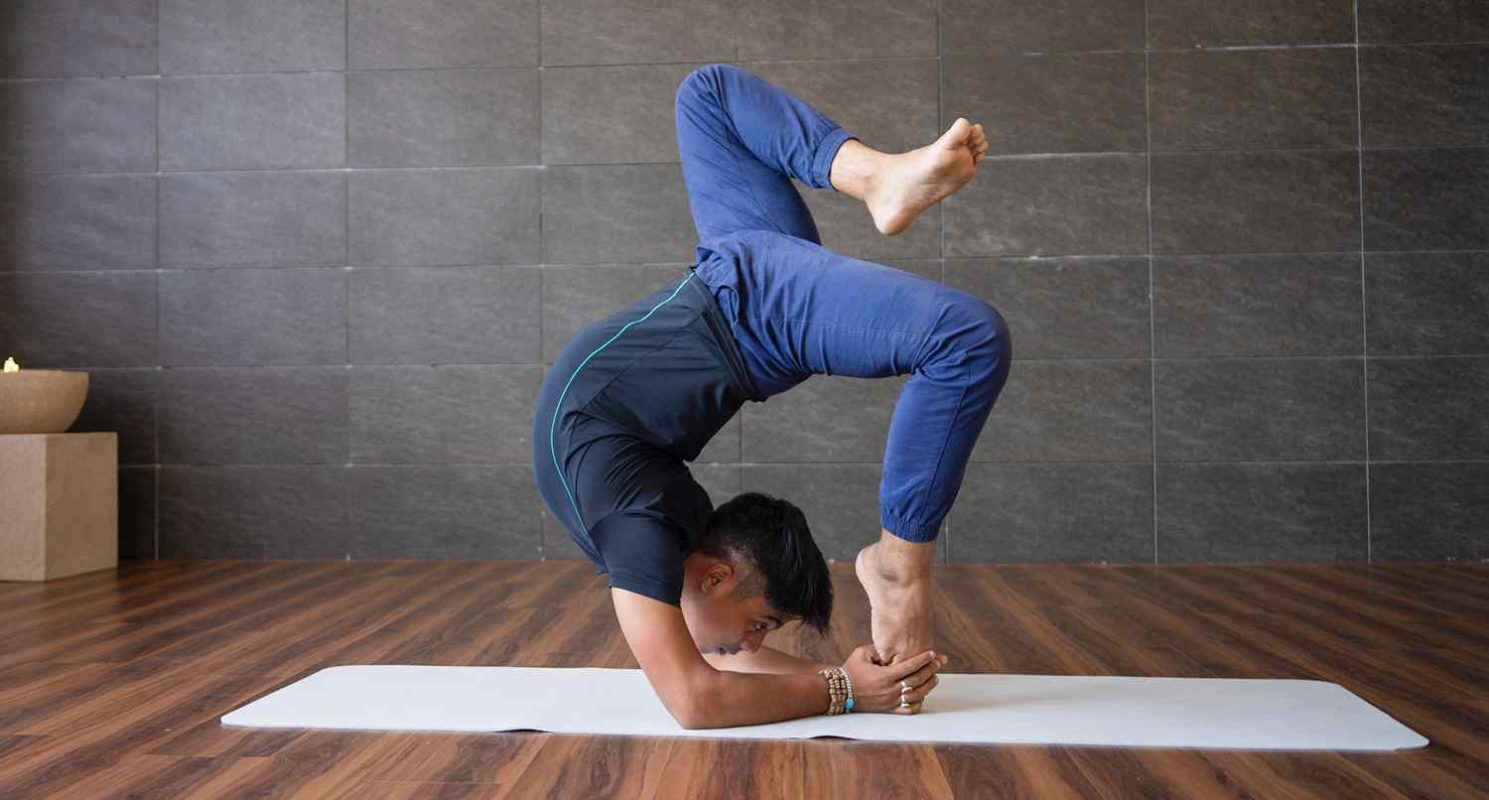
In this yoga vs Pilates debate, let’s get an understanding of the former first. Yoga is an ancient Indian discipline that syncs the mind, body, and spirit through a combination of physical postures (asanas), controlled breathing techniques (pranayama), and meditation. Deeply rooted in Indian philosophy and spirituality, yoga is more than just a form of exercise—it’s a way of life. It offers various styles such as Hatha, Vinyasa, and Ashtanga, each catering to different fitness levels and goals. Practised widely across the globe, yoga is known for improving flexibility, enhancing balance, relieving stress, and promoting emotional well-being. Its emphasis on mindfulness and inner awareness makes it a powerful tool for managing daily stress. The beauty of yoga lies in its accessibility. It can be practised in a studio, at home, or even outdoors in nature, making it a versatile wellness routine for people of all ages and fitness backgrounds. Whether you’re a beginner or experienced practitioner, yoga welcomes everyone.
What is Pilates?
Pilates is a low-impact fitness system developed by Joseph Pilates in the early 20th century, designed to enhance core strength, body alignment, and overall stability. Unlike yoga, which integrates spiritual and meditative elements, Pilates is a purely physical and highly structured practice. It focuses on controlled, deliberate movements that build lean muscle, improve posture, and increase flexibility without putting strain on the joints. Pilates can be performed on a mat or with specialised equipment, like the reformer, which adds resistance to deeper muscle engagement. Breath coordination and muscle control are central to each movement, promoting a heightened sense of body awareness. This makes Pilates particularly beneficial for injury rehabilitation, chronic back pain alleviation, and improving balance. Classes vary in intensity but are always rooted in precision and form. Whether you’re a beginner or seasoned fitness enthusiast, Pilates offers a consistent and effective way to build strength, improve posture, and move more mindfully.
Key Difference Between Yoga and Pilates
The key difference between yoga and Pilates lies in their origins, focus areas, and approach. Yoga, an ancient Indian practice rooted in spirituality, aims to create harmony between mind and body through physical postures, breathwork, and meditation. It encourages flexibility, mindfulness, and inner peace, which are perfect for those seeking stress relief and mental clarity. Pilates, by contrast, is a modern fitness method developed in the 20th century, centred on core strength, posture, and muscular control. It involves structured, repetitive movements using mats or equipment like a reformer. When comparing yoga vs Pilates, yoga often features static holds and flowing sequences, while Pilates emphasises precision and consistency. The difference between yoga and Pilates also lies in their intent. While yoga fosters overall well-being, Pilates focuses more on physical performance and rehabilitation. Choosing between yoga vs Pilates depends on whether your wellness goals are spiritual and mental or more strength- and posture-orientated.
Health Benefits: Yoga vs Pilates
Yoga Benefits
In the yoga vs Pilates comparison, let’s take a deep dive into the benefits of yoga. It offers a wide range of physical and mental health benefits. It improves flexibility, joint mobility, and muscle tone, while also supporting better posture and balance. Through breathwork and meditation, yoga is highly effective in reducing stress and anxiety and promoting emotional well-being. Regular practice can aid digestion, enhance sleep quality, and help manage chronic pain. One of the unique strengths of yoga is its ability to foster mindfulness and self-awareness, encouraging a more balanced lifestyle. Whether you prefer gentle Yin practice or a dynamic Vinyasa flow, yoga promotes both physical vitality and mental clarity. Over time, it can build emotional resilience, boost energy levels, and create a deeper connection between mind and body.
Pilates Benefits
Pilates is a low-impact workout that focuses on building core strength, improving posture, and enhancing your overall body alignment. It increases muscular endurance, balance, and coordination, making it ideal for both beginners and advanced practitioners. Pilates is especially beneficial for injury recovery and back pain relief, as it strengthens muscles while minimising joint strain. The controlled, repetitive nature of Pilates exercises helps refine movement patterns and improve body awareness. Over time, practitioners notice better flexibility, increased energy, and enhanced circulation. Unlike yoga, which incorporates mindfulness and meditation, Pilates is more structured and goal-orientated. Consistent practice leads to toned, lean muscles and greater physical stability. Whether on a mat or using equipment like a reformer, Pilates supports long-term mobility and functional fitness.
Therefore, in the question of yoga vs Pilates, both have their advantages, and it’s best to choose the one that’s most suited to your long-term goals.
Choosing Between Yoga and Pilates
Factors to Consider
When choosing between yoga vs Pilates, it’s important to align your decision with your fitness goals and personal preferences. If you’re looking for a calming, meditative practice that promotes flexibility, stress relief, and mental clarity, yoga may be the better fit. On the other hand, if your goal is to build core strength, improve posture, or recover from an injury, Pilates offers more targeted support. Moreover, yoga classes are generally more widespread, while Pilates may require specialised equipment or studio access.
Consider your motivation too: are you driven by mindfulness and inner balance, or by muscle toning and physical structure? Ultimately, the yoga vs Pilates choice depends on what helps you stay consistent and inspired in your wellness journey.
Combining Both Practices
There is no reason why it has to be Pilates vs yoga all the time. Why choose one when you can experience the best of both worlds? Incorporating both yoga and Pilates into your routine allows for a well-rounded approach to fitness. Yoga enhances flexibility, breath control, and mental clarity, while Pilates focuses on core strength, posture, and controlled movement. By alternating between the two, you balance relaxation with muscular toning. For example, you might begin your week with a gentle yoga session to reset your mind and body, followed by a Pilates class midweek for strengthening and alignment. This combination supports both physical performance and emotional well-being, making it ideal for people with dynamic lifestyles. Whether you’re new to fitness or looking to elevate your routine, blending yoga and Pilates can help you achieve long-term results and stay consistently motivated.
Conclusion
When it comes to yoga vs Pilates, your choice should reflect your fitness goals and lifestyle. Both practices offer incredible physical and mental benefits and can be tailored for all fitness levels. If you seek mindfulness and flexibility, yoga may suit you best; however, for core strength and posture, Pilates is ideal. Ultimately, try both, observe how your body responds, and consider combining them for a holistic, balanced routine.
FAQs on Yoga vs Pilates
Which is better, yoga or Pilates?
The answer to the yoga vs Pilates debate depends on your personal goals. Yoga is ideal for stress relief, flexibility, and mindfulness, while Pilates is great for building core strength and improving posture. Both practices support overall fitness and can complement each other well. Trying both may help you decide which better suits your body and lifestyle.
Should I do yoga or Pilates first?
In the yoga vs Pilates debate, this question often pops up. If you’re new to both, it’s often recommended to start with yoga to build flexibility, mobility, and body awareness. Once you’re comfortable, you can introduce Pilates to strengthen your core and improve balance. Your choice also depends on your fitness goals. Therefore, start with the practice that aligns best with whether you want relaxation or structured strength training.
Do you get more toned from yoga or Pilates?
This is a common question in the yoga vs Pilates debate. Pilates generally focuses more on core strength, muscle definition, and controlled resistance, which can lead to faster visible toning. On the other hand, yoga improves flexibility, balance, and overall muscle endurance, creating a lean, elongated look over time. Both can tone your body, but Pilates may show quicker results, while yoga offers broader mental and physical benefits alongside gradual toning.