Pune didn’t stumble into becoming a tech hub. It earned it.
While Bangalore grabbed headlines and Hyderabad courted global giants with tax breaks, Pune built something more sustainable: a tech ecosystem that values quality of life as much as quality of work. Today, across Maharashtra’s IT sector, employment is about 7.46 lakh professionals, with Pune contributing a major share of that workforce.
If you’re considering a move here, understanding the IT parks in Pune isn’t just about finding your next office. It’s about understanding where your career and your life will actually unfold.
Why Pune Became a Major IT Hub in India?
Pune has steadily evolved into one of India’s leading IT destinations due to a combination of talent availability, cost advantages, and expanding tech infrastructure. The city attracts both multinational companies and startups looking for a strong engineering ecosystem without the higher operating costs of larger metros.
Key reasons behind Pune’s IT growth include:
- Strong talent pipeline: Pune has a large concentration of engineering colleges that supply skilled graduates to the tech industry every year.
- Lower operating costs: Office rentals, salaries, and living costs are generally lower than in cities like Bangalore or Mumbai.
- Expansion of Global Capability Centres (GCCs): Many multinational companies are setting up engineering, product development, and R&D centers in Pune.
- Established IT corridors: Tech clusters in areas like Hinjawadi and Kharadi provide modern infrastructure, business parks, and connectivity that support large IT campuses.
Hinjawadi: Where Pune’s Tech Story Begins
No IT park list in Pune starts anywhere else. Rajiv Gandhi Infotech Park spans 2,800+ acres across three phases and houses 600+ companies, including Infosys, Wipro, TCS, Cognizant, and Capgemini.
Its biggest advantage? Employer density. When companies cluster together, job switches don’t require area changes. Your next role could be minutes away.
- Phase 1: Most established, strong MNC presence
- Phase 2: Rapid growth, product firms & captive centers
- Phase 3: Newer campuses, infrastructure still developing
Reality check: Peak-hour commutes can hit 90 minutes from older parts of Pune. That’s why most professionals live in Wakad, Baner, or Hinjawadi itself.
Yukio Tip: Confirm your exact phase before choosing housing. Hinjawadi stretches over 10+ km; Phase 1 to Phase 3 alone is a 15-minute drive.
Magarpatta: The Integrated Work-Life Model
Magarpatta City redefined the IT park concept.
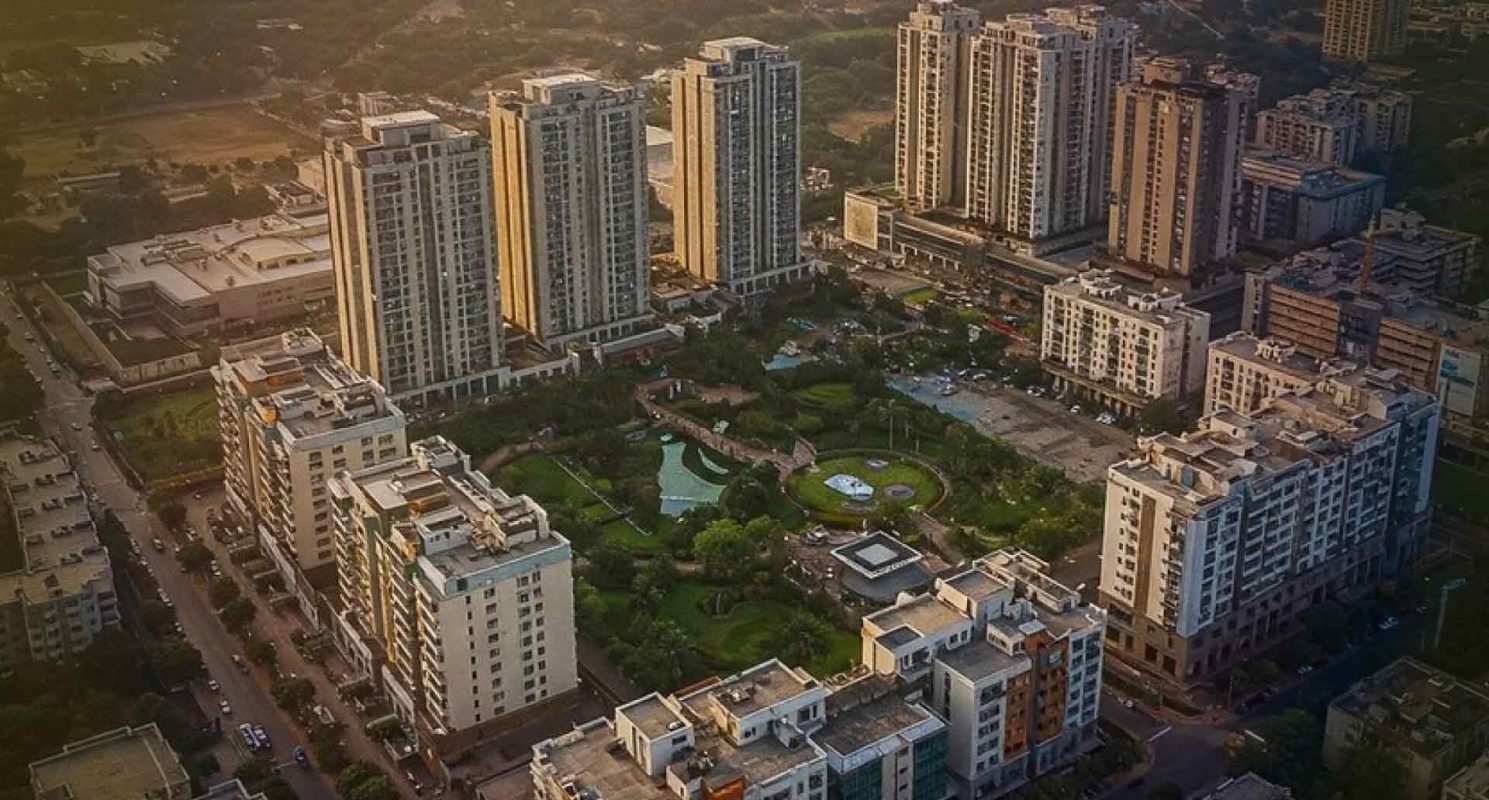
Spread across 450 acres, it hosts ~100 companies, including Accenture, Persistent Systems, and Cognizant, but with residential towers, retail, schools, and recreation built in.
Many professionals live within a 10-minute radius of their offices. Commutes become walks.
Ideal for late-20s to early-30s professionals who want balance without city chaos.
Kharadi: The Fastest-Growing Corridor
A decade ago, farmland. Today, a major commercial zone.
World Trade Center Pune and EON Free Zone anchor the area, hosting firms like Barclays, Deutsche Bank, and fintech startups.
Kharadi stands out for:
- Newer infrastructure
- Airport proximity
- Growing BFSI & analytics roles
- Less saturated talent pool vs Hinjawadi
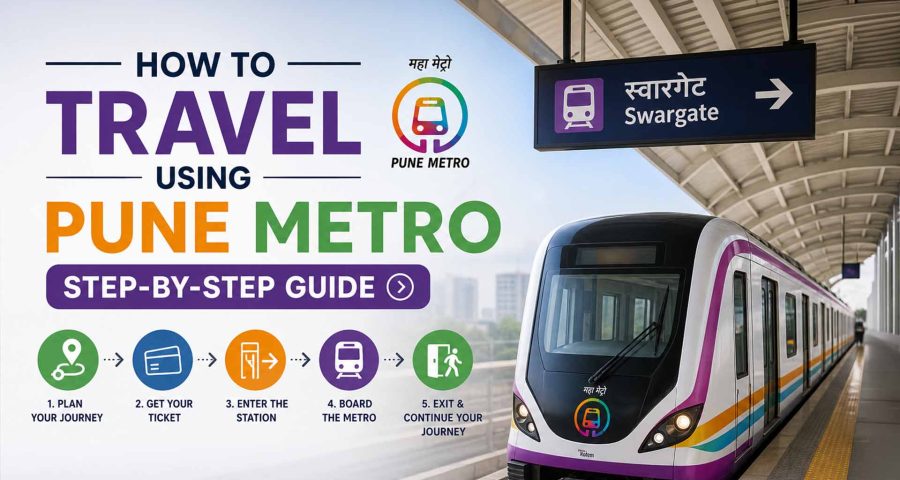
Connectivity has improved with the Pune Metro expansion, making residential planning easier.
The Complete List of IT Parks in Pune by Location
| Location | Major IT Parks / Zones | Key Companies | Nearby Residential Areas | Strategic Advantage |
|---|---|---|---|---|
| Hinjawadi (Phase 1–3) | Rajiv Gandhi Infotech Park | TCS, Infosys, Wipro, Cognizant, Accenture, Tech Mahindra | Wakad, Marunji, Tathawade, Baner | Largest IT hub in Pune with SEZ zones and large campuses |
| Kharadi | EON IT Park / EON Free Zone | Barclays, Honeywell, Veritas, Zensar, Credit Suisse | Kharadi, Wagholi, Viman Nagar | Premium Grade-A office infrastructure and BFSI tech hubs |
| Hadapsar | Magarpatta Cybercity | Accenture, Amdocs, Red Hat, BNY Mellon, HCL | Hadapsar, Amanora, Magarpatta City | Integrated “walk-to-work” township with residential spaces |
| Yerwada / Viman Nagar | Commerzone IT Park | IBM, HCL, Mphasis | Viman Nagar, Kalyani Nagar | Close to Pune Airport and the central business districts |
| Kalyani Nagar | Cerebrum IT Park | HSBC, Cybage, BNY Mellon | Kalyani Nagar, Koregaon Park | Premium corporate offices near upscale residential zones |
| Talawade (PCMC) | Software Technology Park Talawade | Infosys, TCS, KPIT | Nigdi, Ravet, Pimpri | Key IT hub for the Pimpri-Chinchwad region |
| Baner – Balewadi | Baner IT Hub / Panchshil Business Park | Microsoft partners, startups, consulting firms | Baner, Balewadi, Aundh | Fast-growing startup and product company ecosystem |
| Hadapsar | SP Infocity | IBM, Amdocs, Synechron | Hadapsar, Amanora, Mundhwa | SEZ campus with strong corporate infrastructure |
| Kharadi | World Trade Center Pune | Eaton, UBS, Honeywell | Kharadi, Wagholi | International business district with global companies |
| Shivajinagar / SB Road | ICC Tech Park | TCS, Avaya, PTC | Shivajinagar, Aundh, Model Colony | Central location close to universities and the city center |
| Sinhagad Road | Symphony IT Park | Evolvus, LogiTrail, TRIOS | Nanded City, Dhayari | Emerging IT campus with integrated township |
| Magarpatta Extension | Cybercity SEZ | Accenture, John Deere, HCL | Hadapsar, Amanora | Large SEZ campus inside Magarpatta township |
Sources: The Times of India, HiPune, Kharadi Pune
Yukio’s Take on Proximity to IT Parks in Pune
The IT park location matters less than the surrounding geography. A Hinjawadi Phase 1 job with a 15-minute commute from Wakad beats a “better” Kalyani Nagar role requiring 45 minutes each way from affordable housing.
But the reality is that the professionals who thrive aren’t always at the biggest companies; they’re the ones who solved the commute-cost-community triangle early.
Most people optimize for salary or company brand, then retrofit their living situation. Smarter professionals optimize for total quality of life: net disposable income after rent, commute time that doesn’t kill weekends, and a living setup that doesn’t drain energy managing household logistics. That shift in priorities—from “what’s my CTC” to “what’s my actual life going to look like” changes everything about your first year in Pune.
Living Smart: The Missing Variable in Career Planning
Most professionals approach relocation backwards. They accept the job first, then scramble to find housing that “isn’t too far from the office.”
The smarter approach? Recognize that your living situation directly impacts work performance.
Long commutes drain energy. Poor housing quality affects sleep. Managing household chores after a 10-hour workday leaves no bandwidth for upskilling or networking.
This is exactly why Yukio Coliving exists.
Yukio has properties specifically around Pune’s major employment hubs, Hinjawadi and Wakad, reducing commute times to under 30 minutes for most residents. But proximity is just the baseline.
Yukio’s fully furnished apartments come with:
- Daily meals (because deciding what to eat shouldn’t be a cognitive burden)
- Laundry and housekeeping (your weekends are for living, not chores)
- Gyms, gaming zones, and co-working pods (amenities that actually get used)
- A community of 200+ professionals (networking that happens naturally over coffee, not forced LinkedIn messages)
Here’s the honest pitch: when your living infrastructure is handled, you show up to work sharper. You have bandwidth for that certification course. You actually go to the gym instead of planning to go to the gym.
And when your next career opportunity is 15 minutes away instead of across the city, you’re positioned to move faster than peers who are geographically locked in.
That’s not a lifestyle upgrade; that’s a career advantage.
The Bottom Line on Pune’s Tech Ecosystem
Pune built its tech reputation on fundamentals: strong talent, planned infrastructure, and operational sensibility. The IT parks in Pune, from Hinjawadi’s scale to Magarpatta’s integration to Kharadi’s emergence, offer professionals genuine career mobility within a single city.
But here’s the part most career advice skips: where you live determines how effectively you can leverage that opportunity. Choose smart, and Pune becomes one of the best cities in India to build a tech career. Choose poorly, and you’ll spend your potential commuting instead of compounding it.
FAQs
Q1. Which is the biggest IT park in Pune?
Rajiv Gandhi Infotech Park in Hinjawadi is the largest, spanning over 2,800 acres across three phases. It houses 600+ companies and employs approximately 400,000 professionals, making it one of India’s largest IT employment zones.
Q2. What is the best area to live in Pune for IT professionals?
It depends on your office location. For Hinjawadi professionals, Hinjawadi, Wakad and Baner offer the best commute-to-amenity ratio. For those in Kharadi, Viman Nagar and Wagholi work well. Magarpatta employees often prefer living within the township itself. That said, Yukio Coliving properties in Hinjawadi and Wakad eliminate the commute-versus-lifestyle trade-off, offering premium furnished housing with meals, housekeeping, and community, all within 20 minutes of major IT parks.
Q3. How many IT companies are there in Pune?
Pune hosts over 1,200 IT and ITES companies, ranging from global giants like Infosys, Wipro, and Cognizant to product firms like Persistent Systems and a thriving startup ecosystem. The city accounts for approximately 8-10% of India’s total IT exports.