
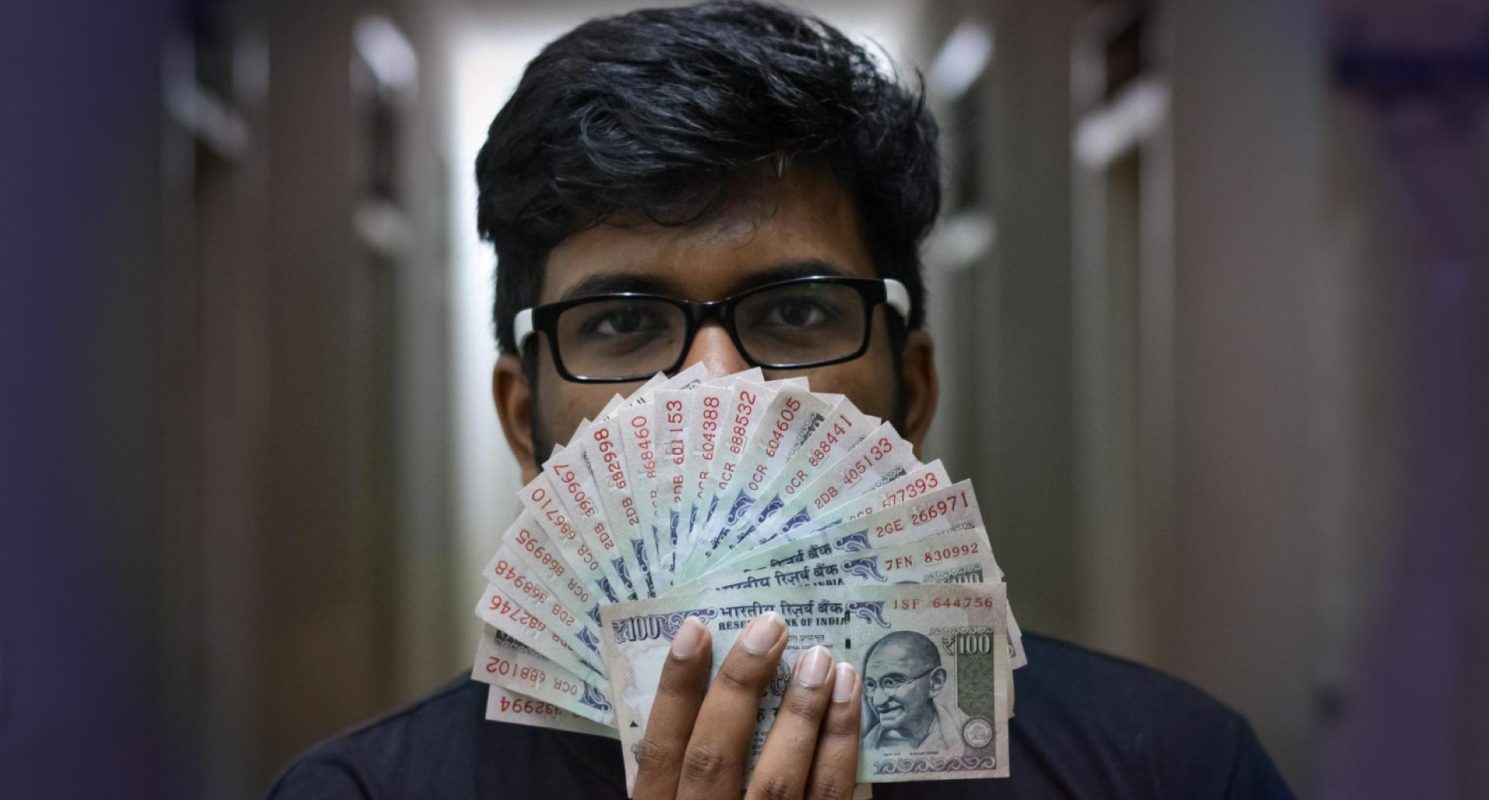
That TCS offer letter looks impressive at ₹4.5 LPA until the math hits. Pune rent in Hinjawadi costs ₹15,000–20,000, groceries another ₹8,000, and transport ₹3,000. Suddenly, that ₹32,000 monthly salary shrinks to ₹6,000 for everything else. The real question isn’t what companies pay; it’s what you can actually afford to live on.
Here’s the average salary in Pune breakdown freshers and mid-level professionals need before relocating: exact numbers by company tier, monthly budgets at each career stage, and the inflection point where your housing choices finally make sense. Based on 2026 industry benchmarks for Pune’s Tier-1 metro market, here’s what job seekers actually need to know.
What You’ll Actually Earn: The Pune Salary Breakdown
Freshers’ salary in Pune depends entirely on the company tier. TCS, Infosys, and Wipro, the Hinjawadi Phase 1 giants, consistently offer ₹4–7 LPA for entry-level roles. That’s ₹30,000–50,000 monthly after deductions.
The startup premium? Flipkart, Zomato, and Swiggy pay ₹8–12 LPA for the same job title, a 100–150% salary jump. But here’s the trade: equity vesting means actual cash in hand is closer to ₹60,000–80,000/month, and your job security hinges on funding rounds instead of government contracts.
| Company Tier | Fresher Salary | Monthly Take-Home (Approx.) |
|---|---|---|
| TCS/Infosys/Wipro | ₹4–7 LPA | ₹30,000–50,000 |
| Accenture/Capgemini | ₹5–8 LPA | ₹38,000–60,000 |
| Flipkart/Zomato/Swiggy | ₹8–12 LPA | ₹60,000–85,000 |
| Big 4 (Deloitte/EY/PwC/KPMG) | ₹6–10 LPA | ₹45,000–75,000 |
Source: Aimore Technologies 2026 Salary Benchmarks
Role matters too. Software engineers command ₹3.5–7 LPA starting out, while data analysts sit at ₹3.5–6 LPA. Product managers, even fresh MBA grads, start at ₹8–14 LPA because their job is business outcomes, not code execution.
Pune’s Tier-1 metro status means salaries run 15–25% higher than Tier-2 cities like Indore or Jaipur. But that premium barely covers the rent differential between an ₹8,000 PG in Nagpur and a ₹18,000 PG in Wakad.
The Growth Multiplier: Why Year 3 Changes Everything
Here’s what most freshers don’t realize: the real salary acceleration in tech happens in the first three to five years of your career.
Entry-level IT roles at companies like Tata Consultancy Services and Infosys typically start between ₹3–6 LPA, depending on the role and hiring track. AmbitionBox salary data shows many fresher system engineer roles at Infosys in the ₹2.4–₹5.4 LPA range, while industry averages for software engineers in India hover around ₹4–6 LPA.
But the real shift happens once you cross the 3-year experience mark.
According to aggregated salary data professionals with 3–6 years of experience in IT typically earn ₹8–15 LPA, depending on specialization, company tier, and performance. This means many engineers see their compensation double within the first few years of their career.
Why does this jump happen?
Because the IT industry rewards deployable skills, not just degrees. Once developers gain production experience in areas like cloud, DevOps, data engineering, or backend systems, their market value rises rapidly.
Specializations accelerate this curve even further:
- Cloud certifications (AWS/Azure/GCP): often add 20–40% salary premiums
- Data science and machine learning roles: commonly reach ₹12–18 LPA by years 4–5
- Product management and niche engineering roles: can reach ₹18–30 LPA within 5–6 years
In other words, your starting package isn’t your career ceiling it’s your entry ticket.
The bigger determinant of your lifestyle in cities like Pune isn’t your fresher salary. It’s where you land by Year 3 or Year 4.
Yukio’s Tip:
Negotiate your offer after understanding Pune’s rental market. A ₹1 LPA bump (₹6,000/month after tax) covers the difference between a cramped ₹12,000 PG in Pimple Saudagar and a ₹18,000 managed coliving space in Hinjawadi Phase 3. Companies hiring Pune roles know this math—use it.
Average Salary in Pune by Industry (2026)
| Industry / Role | Fresher Salary (0–2 yrs) | Mid-Level Salary (3–6 yrs) | Monthly Take-Home (Approx.) |
|---|---|---|---|
| IT / Software Engineering | ₹4–8 LPA | ₹8–18 LPA | ₹30K–₹1.2L |
| Data Analyst / Data Science | ₹3.5–7 LPA | ₹7–16 LPA | ₹28K–₹1.1L |
| Digital Marketing / Performance Marketing | ₹3–6 LPA | ₹6–14 LPA | ₹25K–₹95K |
| Sales (B2B / SaaS / Field Sales) | ₹3–5 LPA + incentives | ₹6–12 LPA + incentives | ₹25K–₹90K+ |
| Finance / Accounting (CA / MBA Finance) | ₹4–7 LPA | ₹8–15 LPA | ₹30K–₹1L |
| HR / Recruitment | ₹3–5 LPA | ₹5–10 LPA | ₹25K–₹75K |
Sources: AmbitionBox, Glassdoor, Indeed, DataMites
Your Real Monthly Budget in Pune (Salary → Spending → Savings)
Let’s translate those LPA numbers into actual Pune spending power:
| Category | ₹5 LPA (Fresher) | ₹8 LPA (Mid-Level) | ₹12 LPA (Senior) |
|---|---|---|---|
| Monthly Take-Home | ₹32,000–38,000 | ₹55,000–65,000 | ₹75,000–90,000 |
| Housing (approx.) | ₹15,000–20,000 (PG/Coliving) | ₹20,000–25,000 (Private room / better locality) | ₹25,000–30,000 (1BHK – Baner/Balewadi) |
| Food & Lifestyle (approx.) | ₹8,000 (tiffin + eating out 3x/week) | ₹12,000 (dining out + Swiggy + groceries) | ₹15,000 (meals, gym, entertainment) |
| Transport / EMI(approx.) | ₹3,000 (PMPML + autos) | ₹4,000 (bike/car EMI starts) | ₹8,000 (car EMI + fuel) |
| Estimated Monthly Remaining | ₹6,000–12,000 | ₹19,000–29,000 | ₹32,000–47,000 |
| Financial Reality | Tight budget; low emergency buffer | Comfortable but planned spending required | Strong saving & investment capacity |
This is where most Pune professionals stabilize financially, loans become manageable, lifestyle upgrades don’t hurt, and you can actually save for a car down payment.
Yukio’s Take on Average Salary in Pune
The salary numbers matter less than what you have left after rent. For freshers, monthly expenses in Pune typically break down as follows: housing accounts for around 40–50%, food about 20%, transport roughly 10%, and savings usually account for 15–20% of their income.
A fresher earning ₹5 LPA in a ₹15,000 PG faces the same monthly stress as one earning ₹4.2 LPA in a ₹10,000 room, except the latter has shorter commutes and cheaper food options.
This is where most people miscalculate: they optimize for the offer letter number, not the net disposable income after fixed costs. Rent in Pune isn’t negotiable unless you’re willing to commute 90 minutes or compromise on safety. What is negotiable is finding housing where the all-in cost (rent + food + utilities + commute) hits the sweet spot.
Focus less on whether you’re getting ₹4.5 LPA or ₹5.2 LPA, and more on whether that translates to ₹12,000 or ₹22,000 monthly disposable income after your housing choice. That’s the number that determines whether you’re just surviving or actually building something in Pune.
The Housing Math That Actually Works
Here’s the transparency Pune’s PG owners don’t advertise: that ₹12,000 PG becomes ₹25,000 once you add food (₹8,000), electricity overages (₹1,500), laundry (₹800), commute (₹3,000), and the mental tax of dealing with landlords who treat “furnished” as “one bed, one bulb, good luck.”
Yukio Coliving in Hinjawadi and Wakad starts at ₹19,950/month all-inclusive—meals, housekeeping, laundry, Wi-Fi, gym, zero brokerage, zero surprise bills. For a ₹5 LPA fresher, that’s the difference between ₹7,000 and ₹17,000 monthly disposable income vs traditional PG + separate expenses.
Mid-level professionals earning ₹8–12 LPA can upgrade to premium units (₹25,000–30,000 range) with private rooms—basically independent living without the brokerage nightmare, deposit lockup (₹60,000–₹90,000 freed up), or maintenance hassles. You’re 3 km from Infosys, 5 km from TCS, and living with 200+ professionals who understand why you’re on Slack at 10 PM.
Explore Yukio’s properties to see how this breaks down for your budget.
The Bottom Line: Salary Is Just the Starting Point
The average salary in Pune for your role matters. The fresher’s salary in Pune that you’re offered matters. But what matters more is your financial strategy once you’re here.
Pune rewards professionals who think systemically about their money. Your salary should fund your growth courses, networking, health, savings, not get consumed by the friction costs of daily survival.
Smart professionals optimize their fixed costs (housing, food, transport) ruthlessly, then invest the savings in variable experiences that compound: travel, learning, relationships, health.
That’s exactly why managed co-living isn’t a compromise. It’s a competitive advantage. You’re not “settling” for shared housing; you’re making a calculated decision to redirect capital from low-value overhead to high-value opportunities.
FAQs
Q1. What is the average salary in Pune for IT professionals?
For freshers in IT, expect ₹3.5-6 LPA depending on the company and role. Mid-level professionals (3-7 years) typically earn ₹8-15 LPA, with senior developers and specialists commanding ₹15-25 LPA. Companies in Hinjewadi and Kharadi form the bulk of these opportunities.
Source: AmbitionBox, PayScale 2024.
Q2. Is ₹25,000 per month enough to live comfortably in Pune as a fresher?
Enough to survive? Yes. Comfortable? Debatable. Traditional 1BHK rent, food, and transport will consume most of that ₹25,000. Managed co-living options like Yukio Coliving offer better value all-inclusive pricing (₹15,000-20,000) covering accommodation, meals, housekeeping, and amenities, leaving you with actual disposable income for savings and experiences.
Q3. Which areas in Pune offer the best salary-to-cost-of-living ratio?
Hinjewadi and Wakad win this equation. Proximity to major employers slashes commute costs and time. Living near your workplace in these areas, especially in purpose-built co-living communities, maximizes your effective earnings by minimizing overhead. Koregaon Park and Kalyani Nagar offer lifestyle perks but at significantly higher costs that eat into mid-level salaries.