
That ₹8,000/month PG listing in Wakad looks tempting until you do the actual math. Add 2–3 months’ deposit, one month’s brokerage, ₹3,000 for food, ₹1,500 for WiFi and utilities, and suddenly you’re staring at ₹25,000+ for month one alone. With 89% of Pune students relying on off-campus accommodation due to limited college hostel seats, getting this decision right matters more than your orientation schedule.
This guide breaks down everything you need to know about finding hostels in Pune for students in 2026: real pricing, neighborhood trade-offs, hidden costs, and what actually makes a living situation work for both your college life and your parents’ peace of mind.
Types of Accommodation for Students in Pune
| Factor | Traditional Hostel | PG Accommodation | Student Coliving |
|---|---|---|---|
| Typical Monthly Cost | ₹5K–₹9K | ₹8K–₹15K | ₹19K–₹27K |
| Best For | Students prioritizing discipline and lower costs | Students wanting flexibility and moderate comfort | Students seeking structured, premium living |
| Room Sharing Style | Mostly triple/quad sharing | Double/triple sharing | Single, twin, or premium sharing options |
| Rules & Restrictions | Strict timings and regulations | Moderate flexibility | Structured but more independent |
| Food Quality & Consistency | Basic fixed meals | Varies by property | Professionally managed meal plans |
| Study Environment | Limited dedicated study spaces | Depends on property | Study pods, quieter zones, co-working spaces |
| WiFi Reliability | Basic/shared internet | Moderate reliability | High-speed managed WiFi |
| Housekeeping | Minimal or weekly | Limited or partial | Daily housekeeping included |
| Laundry Support | Usually self-managed | Sometimes paid separately | Included in most setups |
| Community Experience | Campus-style hostel environment | Mixed resident experience | Student-focused peer communities |
| Safety Systems | Basic campus security | Varies widely | CCTV, biometric access, managed security |
| Parent Reassurance | Moderate | Depends on operator | High due to managed operations |
| Setup Hassle | Low | Medium | Minimal plug-and-play setup |
| Hidden Charges | Lower but limited services | Common in some PGs | Usually more transparent pricing |
| Flexibility of Stay | Semester or yearly | Flexible monthly options | Long-term student-oriented plans |
| Amenities | Basic essentials only | Limited amenities | Gym, gaming zones, lounges, study areas |
| Noise & Lifestyle Compatibility | Student-focused but crowded | Mixed tenant lifestyle | More structured student routines |
| Maintenance Support | Slow in some hostels | Inconsistent | Professionally managed response systems |
| Social Life | Campus-driven interactions | Depends on residents | Built-in student networking/community |
| Ideal For | Students comfortable with basic living | Students balancing cost and convenience | Students prioritizing productivity, comfort, and convenience |
Why Location Should Come Before Listings?
Most students open NoBroker or 99acres and start scrolling through rooms. That’s backwards. In Pune, your neighborhood determines your commute, your food options, your social life, and your monthly transport bill.
| Area | Best For | Monthly Rent Range |
|---|---|---|
| Kothrud/Shivajinagar | SPPU students, quieter lifestyle | ₹5,000–₹7,000 (shared) |
| Viman Nagar | Symbiosis students, airport connectivity | ₹8,000–₹15,000 |
| Wakad/Baner | Modern infrastructure, Hinjawadi proximity | ₹4,000–₹20,000 |
| Hinjawadi | Tech internships, IT campus access | ₹7,000–₹14,000 |
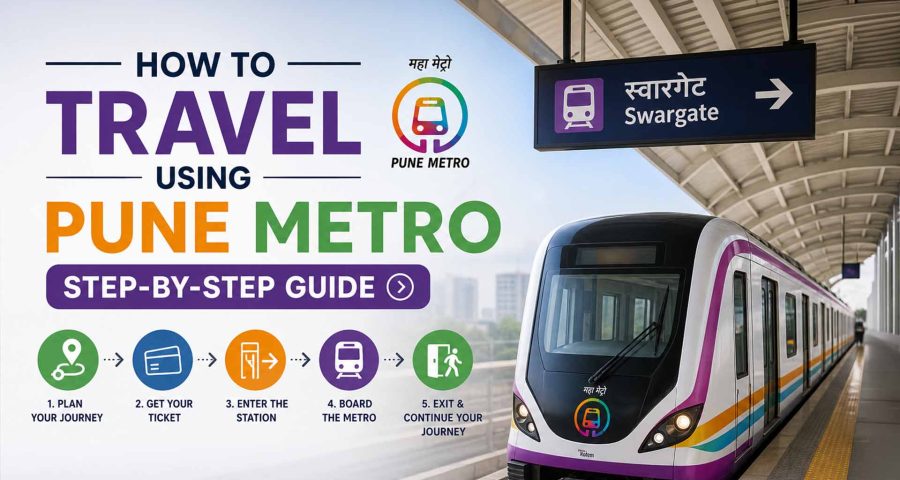
The Pune Metro Aqua Line (Vanaz to Ramwadi) is now fully operational, which means you no longer need to live within auto distance of campus. A 20-minute metro commute from Wakad to Shivajinagar costs less than ₹50 and beats sitting in Pune traffic for an hour.
Yukio’s Tip: Pick your area before your room. A ₹6,000 PG in a far-flung locality with ₹2,000 monthly transport costs and zero food options nearby ends up more expensive and more exhausting than a ₹9,000 room in a student hub.
What Does ₹8K Actually Get You in Hostels in Pune for Students?
Let’s be specific about what “furnished PG” actually means at different price points:
Triple sharing (₹6,000–₹8,500/month without food):
- Bed, mattress, fan, shared cupboard
- Bathroom shared with 5–8 people
- WiFi that may or may not work during peak hours
- “Security” means a lock on your door
Double sharing with meals (₹7,000–₹10,000/month):
- Same furniture situation
- Two meals (usually dal-rice-sabzi rotation)
- Better bathroom ratio (3–4 people)
- Basic power backup
Single occupancy with AC and food (₹12,000–₹25,000/month):
- Private bathroom (sometimes)
- Three meals
- AC (but electricity bills may be extra)
- Actual study desk
The catch? Even at the higher end, quality varies wildly. That “furnished room” in the listing photos might look different at 7 PM when six people are sharing one bathroom and the WiFi is struggling under the weight of everyone’s Netflix streams.
The College Hostel Myth that Costs Students Money
“Just stay in the college hostel, it’s cheaper” is advice that sounds smart until you check availability.
Pune University hostels charge only ₹4,000–₹10,000 per year. That’s not a typo. But here’s the catch: they have 10–20 seats per gender allocated purely on merit. If you’re not in the top percentile, you’re not getting in.
MIT-WPU’s situation is different but not better: ₹2,07,200–₹2,94,000 per year, including a ₹65,000 annual mess fee. That works out to ₹17,000–₹24,500 per month. And here’s the kicker: they don’t serve lunch on weekdays, so add another ₹2,500–₹4,000 monthly for your midday meals.
PVG’s COET is more reasonable at ₹47,000/year for boys and ₹57,000/year for girls, but again, limited seats mean most students end up in off-campus accommodation anyway.
The Real Monthly Cost Breakdown (that PGs don’t advertise)
Here’s what a typical student near Wakad/Hinjawadi actually spends monthly:
| Expense | Range |
|---|---|
| PG/hostel (double sharing, meals) | ₹7,000–₹12,000 |
| Additional food (snacks, eating out) | ₹2,000–₹4,000 |
| Transport (bus/auto) | ₹1,000–₹2,000 |
| Mobile/internet (if not included) | ₹500–₹800 |
| Laundry, entertainment, misc | ₹2,500–₹5,000 |
| TOTAL | ₹13,000–₹23,800 |
And that’s before accounting for the upfront hit: deposits of 2–3 months’ rent plus brokerage that can equal another month’s rent. You might be paying ₹18,000–₹45,000 before you’ve slept a single night.
Checklist: Finding the Right Hostel in Pune for Students
- Start With Location, Not Listings
- Decide the Type of Accommodation You Want (Traditional Hostel, PG Accommodation, Student Coliving)
- Understand the Real Monthly Cost
- Visit the Property at the Right Time
- Check Internet and Study Infrastructure
- Evaluate the Food Situation Honestly
- Safety Matters More Than Students Initially Think
- Pay Attention to the Community Environment
What Works Best at Different Stages of College
First Year
- Campus proximity for easier adjustment
- Strong social environment and peer connections
- Affordable accommodation options
Second & Third Year
- Better daily routines and stability
- More comfort and personal space
- Flexibility for projects, internships, and activities
Placement Year
- Quiet, study-friendly environment
- Reliable high-speed internet for applications and interviews
- Dependable commute options to save time and reduce stress
Yukio’s Take
The real question isn’t “what’s the cheapest room?” but “what’s the actual monthly cost of living, and what do I get for it?” A ₹7,000 PG that requires ₹6,000 in additional spending for food, WiFi, laundry, and transport isn’t cheaper than a ₹19,000 all-inclusive setup. It’s just worse. Students who calculate the total cost of living (not just rent) consistently make better decisions than those chasing the lowest advertised number.
What Does Managed Coliving Actually Solve?
Yukio Gates offers a different model: ₹19,950–₹26,500/month that includes three meals daily, high-speed WiFi, daily housekeeping, laundry, gym access, co-working pods, gaming zones, and 24×7 security with CCTV. Zero brokerage. Zero deposit drama.
For female students specifically, the 6th, 7th, and 8th floors at Yukio Gates are exclusively for women, with all-women on-site staff, biometric entry, and keycard access. At Yukio Jobs (the adjacent property), the 17th floor is dedicated to students from institutions like MIT-WPU, Symbiosis, DY Patil, and NICMAR.
Students choosing 11-month tenure plans can access discounts up to 11%, with an additional 3–4% off for upfront payment.
Your Pune Accommodation Starting Point
The best hostels in Pune for students aren’t necessarily the cheapest listings. They’re the ones where total monthly spending, daily convenience, safety infrastructure, and community environment actually support your college goals rather than creating new problems.
Start your search during the May 15–June 15 “Gold Zone” for the best inventory and prices. Post-June, rooms get scarce, and prices spike during admission rush.
See what all-inclusive actually looks like
Book a tour at Yukio to walk through the student floors, check the meal quality, and meet current residents. No pressure, no brokerage, just a realistic look at what your Pune setup could be.
Frequently Asked Questions
Q. How much should I budget monthly for student accommodation in Pune?
Budget ₹13,000–₹24,000 monthly for total living costs, not just rent. This includes accommodation, food, transport, WiFi, and miscellaneous expenses. All-inclusive coliving at ₹19,950–₹26,500 often works out similar to a ₹8,000 PG once you add hidden costs.
Q. Are college hostels in Pune cheaper than private PGs?
On paper, yes. Pune University hostels cost ₹4,000–₹10,000 annually. In reality, they have only 10–20 merit-based seats per gender. Most students end up in off-campus accommodation regardless of preference.
Q. What safety features should parents look for in Pune student housing?
Prioritize properties with 24×7 CCTV, biometric or keycard entry, women-only floors with female staff (for daughters), and professional management with accountable on-site teams. Avoid PGs where “security” means just a lock and an absent caretaker.