
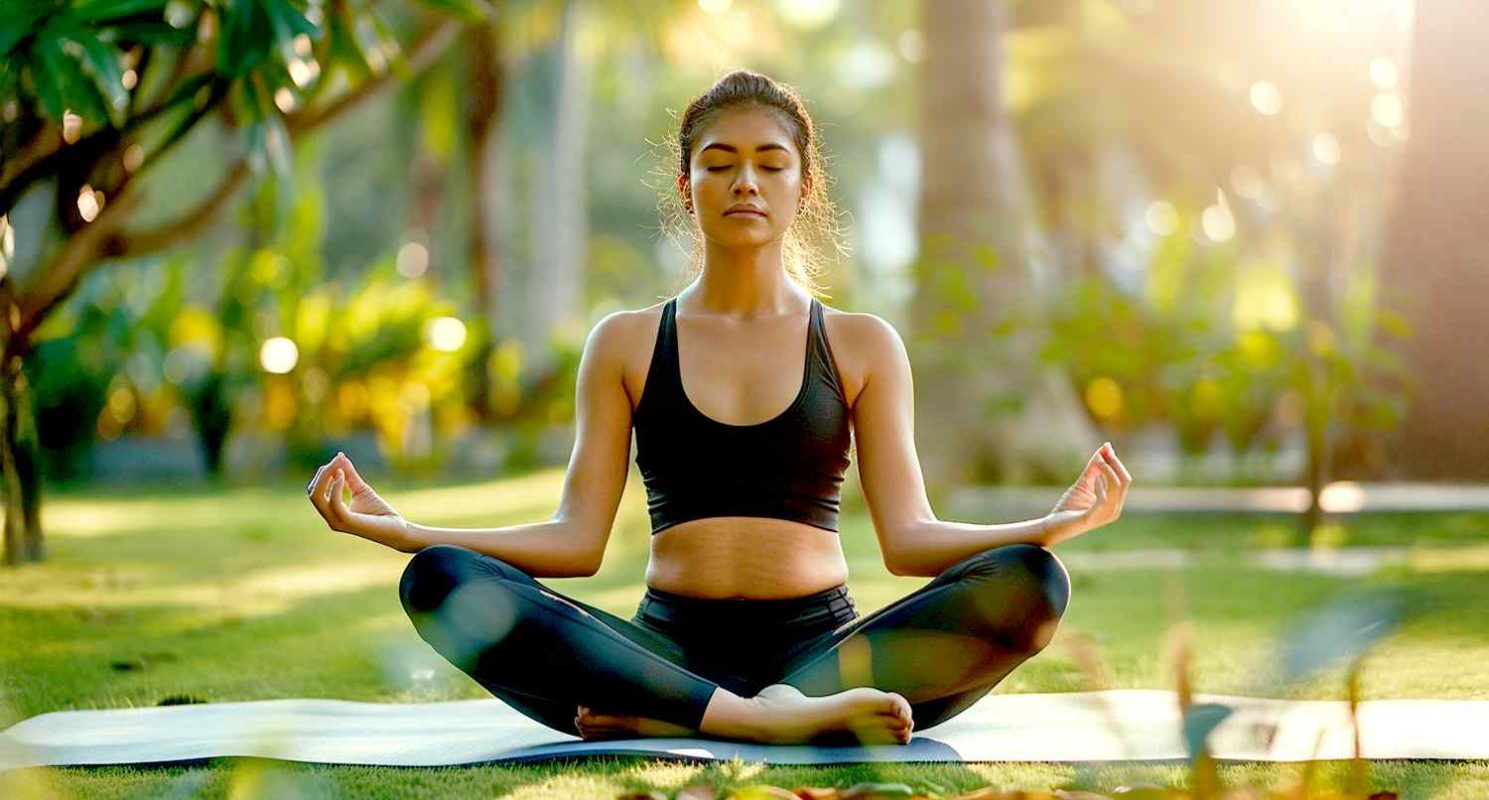
Yoga, once known as ‘yog’ in ancient India, has been an essential, inalienable part of daily life since antiquity. However, yoga entered the popular lexicon when the Western World became cognizant of the benefits of yoga. While many people associate yoga with flexibility and stretching exercises, the benefits of yoga extend far beyond physical fitness.
For working professionals who remain under constant physical and mental stress, yoga offers a practical way to counter sedentary lifestyles, reduce anxiety, and improve overall well-being. In this article, we dive into the multifaceted benefits of yoga that can help corporate professionals achieve a more productive and balanced life.
Physical Benefits of Yoga
The physical benefits of yoga are its most recognisable aspect. Studies from the U.S. National Institutes of Health (NIH) and the World Health Organization (WHO) indicate that regular movement-based practices such as yoga can improve physical function, support musculoskeletal health, and contribute to overall well-being. Let’s discuss the physical benefits of yoga in greater detail.
Improved Flexibility
Practising yoga on a regular basis helps you reduce stiffness in muscles and joints. Stretching exercises improve overall flexibility, balance, and physical functioning across different age groups.
Increased Strength
One of the primary benefits of yoga is increased physical strength. Postures such as Plank, Warrior, and Chair Pose engage multiple muscle groups simultaneously. The NCCIH notes that yoga can improve physical functioning and overall wellness, including strength-related outcomes when practiced consistently.
Better Posture and Alignment
A common trait that’s prevalent among working professionals is poor posture. Hours of sitting in front of a computer and a general sedentary lifestyle can contribute to neck strain, shoulder tension, and lower back discomfort. Yoga strengthens core and stabilises muscles that support proper alignment. The WHO highlights that regular physical activity promotes musculoskeletal health and overall physical well-being, making yoga a valuable tool to achieve a healthy body.
Support for Weight Management
While yoga may not burn calories as rapidly as high-intensity workouts, one of the benefits of yoga is that it can support healthy weight management by encouraging mindful habits, reducing stress-related eating, and increasing physical activity levels. The NCCIH reports that yoga may help individuals with overweight or obesity lose weight.
Relief from Chronic Pain
One of the most significant benefits of yoga is its role in managing chronic pain. According to NCCIH reviews, yoga has demonstrated low-to-moderate improvements in pain and physical function among individuals with chronic lower back pain. Clinical guidelines from the American College of Physicians also recommend yoga as a non-drug treatment option for chronic lower back pain. Additional evidence suggests yoga may help relieve neck pain, arthritis-related discomfort, and certain headache conditions.
Mental & Emotional Benefits of Yoga
Apart from obvious physical benefits of yoga, its emotional and psychological benefits cannot be overstated, especially for working professions.
Reduced Stress Levels
Yoga combines movement, breathing, and mindfulness, helping lower stress hormones such as cortisol. This promotes relaxation and creates a sense of calm even during demanding periods at work, which is particularly helpful for people at high-pressure jobs.
Anxiety Management
One of the most appreciated benefits of yoga is its ability to create mental clarity and emotional balance through mindful breathing techniques and meditation practices.
Improved Focus and Concentration
Yoga encourages its practitioners to remain present and attentive. This increased awareness can translate into better concentration, enhanced productivity, and improved decision-making in professional environments.
Better Sleep Quality
For those who struggle with sleep due to stress, screen exposure, and irregular schedules, the benefits of yoga cannot be overstated. Yoga helps calm the nervous system, making it easier to fall asleep and enjoy deeper, more restorative sleep.
Enhanced Emotional Regulation
Regular yoga practice encourages self-awareness and emotional resilience. Longtime practitioners often become better equipped to manage challenges without feeling overwhelmed, which is beneficial for working professionals.
Types of Yoga — Which Style Is Right for You?
| Type | Intensity | Best For | Sample Poses / Practices |
| Hatha | Low to Moderate | Beginners, flexibility | Mountain Pose, Tree Pose |
| Vinyasa | Moderate to High | Fitness, endurance | Chaturanga, Downward Dog |
| Yin | Low | Recovery, flexibility | Butterfly Pose, Dragon Pose |
| Ashtanga | High | Strength, discipline | Sun Salutations, Warrior Series |
| Kundalini | Moderate | Spiritual growth, mindfulness | Breathwork, Seated Meditation |
| Restorative | Very Low | Stress relief, recovery | Supported Child’s Pose, Reclining Twist |
Choosing the right style depends on your goals, fitness level, and schedule. Regardless of the style selected, the benefits of yoga are available to individuals of any age group and professional background.
Yoga for Working Professionals
While yoga improves physical and mental wellbeing of people of all ages and backgrounds, working professionals can derive multiple benefits. Following are some of them.
Desk Yoga for Tight Hips, Back Pain, and Neck Stiffness
As with a number of working professionals, long hours at a desk can cause significant physical discomfort. Simple stretches can help:
- Seated Cat-Cow Stretch for spinal mobility
- Seated Twist for lower back tension
- Neck Rolls for stiffness
- Seated Figure-Four Stretch for tight hips
- Standing Forward Fold for hamstring relief
These movements can be performed in just a few minutes throughout the workday.
10-Minute Morning Routine for Busy Schedules
If mornings are hectic, try this simple sequence:
- Child’s Pose – 1 minute
- Cat-Cow Stretch – 2 minutes
- Downward Dog – 1 minute
- Sun Salutations – 4 minutes
- Seated Breathing – 2 minutes
This quick routine helps energise the body and prepares the mind for the day ahead while delivering several benefits of yoga in a short time.
Breathing Exercises for Stress Relief Between Meetings
When stress levels rise, breathing exercises can provide immediate relief. Some of those exercises include:
Box Breathing
- Inhale for 4 counts
- Hold for 4 counts
- Exhale for 4 counts
- Hold for 4 counts
Alternate Nostril Breathing
- Alternate breathing through each nostril
- Continue for 2–5 minutes
These techniques help calm the nervous system and restore focus.
Beginner’s Guide to Starting Yoga
What You Need
Getting started with yoga doesn’t require expensive equipment. Basic essentials include:
- A yoga mat
- Comfortable clothing
- Water bottle
- A quiet space
The simplicity and accessibility of yoga has contributed to its growing popularity worldwide.
How Often Should You Practice?
Beginners can start with two to three sessions per week. Consistency matters more than duration. Even short daily practices can unlock many benefits of yoga over time.
What to Expect During Your First Week
During your first week, you may notice:
- Mild muscle soreness
- Increased body awareness
- Improved mood
- Better relaxation
- Greater flexibility in certain areas
Remember that progress is gradual, and every practitioner develops at their own pace.
7-Day Beginner Yoga Routine
Yoga is a practice that offers holistic improvement to your body and mind. Each pose and technique address different challenges, whether it’s flexibility, mobility or balance. To extract the benefits of yoga, start with the following 7-day routine:
Day 1: Foundation
- Mountain Pose
- Child’s Pose
- Cat-Cow Stretch
- Deep Breathing
Day 2: Flexibility
- Forward Fold
- Butterfly Pose
- Seated Twist
Day 3: Strength
- Plank Pose
- Warrior I
- Warrior II
Day 4: Mobility
- Cat-Cow
- Downward Dog
- Cobra Pose
Day 5: Balance
- Tree Pose
- Eagle Pose
- Standing Forward Fold
Day 6: Relaxation
- Legs-Up-The-Wall
- Reclining Twist
- Guided Breathing
Day 7: Full-Body Flow
- Sun Salutations
- Warrior Sequence
- Child’s Pose
- Meditation
Each session should take approximately 10–20 minutes and helps build consistency while allowing you to experience the benefits of yoga gradually.
Making Yoga a Daily Habit
If you are an out-of-town professional who has just landed in Pune, then Yukio is a co-living space that not only offers you a comfortable stay, but an environment that’s conducive to your holistic growth. At Yukio, building healthy routines becomes easier. Our dedicated Yoga Deck provides residents with a peaceful space to practice regularly without the need for a gym membership or long commute. Additionally, wellness programmes conducted through our ‘Growth Lab’ help residents embrace a balanced lifestyle that supports both physical and mental well-being. These conveniences make it easier to enjoy the long-term benefits of yoga as part of daily life.
Frequently Asked Questions
Is yoga better than the gym?
Neither is inherently better. Yoga focuses on flexibility, mobility, mindfulness, and functional strength, while gyms often emphasise muscle building and cardiovascular fitness. Many people combine both for optimal results.
How often should I do yoga?
It depends. If you are a beginner, you can start with two to three sessions weekly. More frequent practice generally leads to faster improvements.
Can beginners do yoga at home?
Yes, many beginner-friendly routines can be practiced safely at home with minimal equipment.
How long before results show?
Some people notice reduced stress and improved flexibility within a few weeks. More significant changes typically become noticeable after one to three months of consistent practice.
Is yoga suitable for all ages?
Yes, yoga can be adapted for different fitness levels, ages, and physical abilities, making it accessible to most individuals.
Yoga for Holistic Health Benefits
The benefits of yoga extend far beyond flexibility and stretching. From improved strength and posture to reduced stress, better sleep, and enhanced focus, yoga offers a holistic approach to well-being. Whether you’re a beginner or an experienced practitioner, incorporating yoga into your routine can lead to lasting improvements, both physically and mentally.