
Accepting that offer letter from TCS or Infosys feels great until the reality of moving to Pune hits. Finding a place to live, navigating broker fees, calculating commute times from affordable neighborhoods, and figuring out if your ₹3.5-5 LPA salary actually works in Hinjawadi. The excitement of a first job shouldn’t come with three months of housing stress and budget miscalculations.
Here’s the truth about relocating to Pune’s IT hubs: the difference between a smooth transition and a chaotic one comes down to understanding three things: where major offices actually are, what living near them really costs, and which housing math makes sense for entry-level salaries.
This guide cuts through generic relocation advice to give you the specific numbers, neighborhood insights, and practical relocation tips that actually matter when shifting to Pune for work.
Where Your Office Actually Is (And Why It Matters)
Hinjawadi’s Rajiv Gandhi Infotech Park isn’t just “an IT hub”; it’s home to TCS, Infosys, Wipro, Cognizant, and Tech Mahindra. If your offer letter says any of these names, you’re commuting here five days a week.
The distance problem most freshers underestimate: Wakad to Hinjawadi Phase 1 is only 5–7 km, which can take 15–20 minutes during non-peak hours. During peak traffic (8:30–10 AM), this may extend to 30–45 minutes depending on your exact pickup point and route. That’s why living closer to your specific office location—or choosing accommodation with direct connectivity—can significantly reduce daily commute stress.
Major Office Clusters:
| Location | Major Employers |
|---|---|
| Hinjawadi Phase 1 | TCS, Infosys, Wipro |
| Hinjawadi Phase 2 | Tech parks, startups |
| Kharadi | Barclays, Mercedes-Benz |
| Magarpatta | Accenture, Emcure |
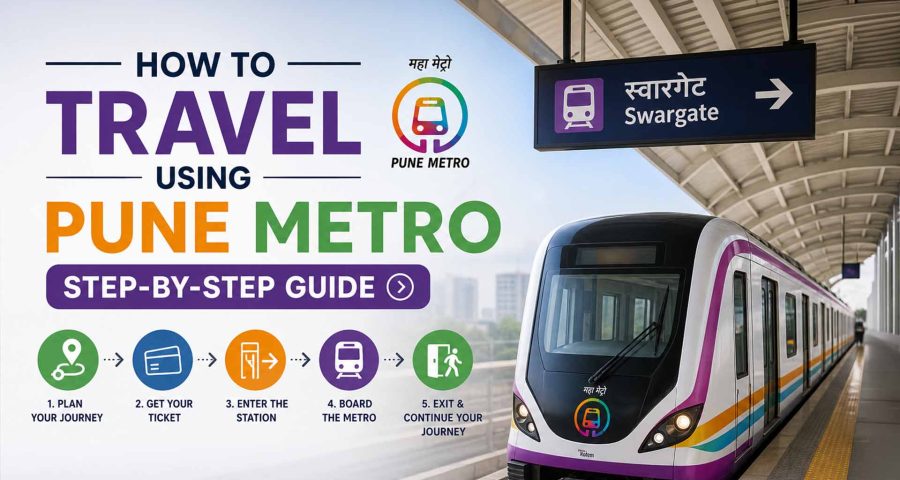
The Metro Line 3 connecting Hinjawadi to Baner is operational, which helps, but living within 5-7 km of your office still saves 10-15 hours weekly versus “affordable” areas farther out.
The Cost of Living in Pune for Freshers
Entry-level IT salaries in Pune average ₹3.5-5 LPA for freshers at TCS/Infosys, with broader entry-level ranges at ₹5-7.5 LPA. That’s ₹29,000-42,000 monthly in-hand after deductions.
Here’s where it actually goes in Hinjawadi/Wakad:
| Expense | Cost Range | Notes |
|---|---|---|
| PG (single, with meals) | ₹12,000-22,000 | Wi-Fi, housekeeping included |
| PG (double sharing) | ₹8,000-15,000 | Basic amenities |
| 1BHK (unfurnished) | ₹15,000-25,000 | + 2 months deposit + brokerage |
| Food (if cooking) | ₹8,000-12,000 | Groceries + occasional meals out |
| Transport (bike) | ₹2,000-3,000 | Fuel + maintenance |
| Transport (bus pass) | ₹1,000-1,500 | PMPML monthly |
| Miscellaneous | ₹2,000-5,000 | Gym, phone, entertainment |
Total monthly budget: ₹25,000-40,000.
That’s 50–60% of a fresher’s take-home salary.
The biggest shock isn’t monthly cost—it’s upfront cost. A “budget” 1BHK can require ₹60,000–₹1,10,000 to move in when you include deposit, brokerage, furniture, and initial setup.
Yukio’s Tip:
Negotiate PG rent during June–August when demand dips. Always visit properties during peak hours (6–8 PM) to check real conditions like traffic, water pressure, and power backup.
Best Areas to Live in Pune: The Neighborhood Math
Hinjawadi:
- Pros: 2-5 km from major offices; growing cafe/mall scene (Xion Mall); safe for young professionals
- Cons: 20-30% rent premium over Wakad; peak traffic (8-11 AM) brutal for internal commutes
- Best for: Zero-commute priority; willing to pay extra for convenience
- PG average: ₹15,000-22,000/month
Wakad:
- Pros: Well-developed residential area with strong social infrastructure; malls, cafes, and daily conveniences nearby; good connectivity to Hinjawadi IT Park
- Cons: Commute time can vary based on exact location and peak-hour traffic
- Best for: Professionals looking for a balance between lifestyle, connectivity, and access to both Hinjawadi and central Pune
- PG average: ₹10,000–16,000/month
Baner:
- Pros: Established infrastructure; cafes, co-working spaces, social scene
- Cons: 25-50 min commute to Hinjawadi; higher living costs
- Best for: Mid-level professionals (3+ years); work-from-home flexibility
- PG average: ₹12,000-18,000/month
Living in Wakad and commuting to Hinjawadi can save ₹5,000–10,000 monthly—but costs you 60–90 minutes daily. For ₹3.5–5 LPA salaries, savings matter more. Above ₹6 LPA, paying for proximity often makes more sense.
Rental ranges vary based on furnishing, demand cycles, and proximity to IT hubs.
Housing Options: PG vs Flat vs Coliving
When shifting to Pune for your first job, your biggest decision isn’t just where to live—it’s how to live. Each housing option comes with its own cost structure, flexibility, and trade-offs.
PG (Paying Guest): The most common choice for freshers. Affordable, low setup cost, and includes essentials like food and Wi-Fi—but limited privacy and flexibility.
1BHK Flats: Offer independence, but require heavy upfront investment. Deposits, brokerage, and setup costs can push your initial spend beyond ₹1 lakh.
Coliving Spaces (like Yukio): A middle ground. Fully furnished rooms, meals, Wi-Fi, housekeeping, and work-friendly amenities—all bundled into one cost without heavy deposits.
For most freshers, PGs and coliving setups are more practical for the first 6–12 months.
Relocation Setup: What to Handle First
Once your housing is sorted, handling basic setup early makes your transition smoother. Setting up your bank account is one of the first steps. While your existing account works, a local branch can simplify salary processing, KYC updates, and in-person banking if needed.
Try to initiate this 1–2 weeks before joining to avoid juggling HR onboarding and financial setup at the same time. Keep a small financial buffer, and update essentials like UPI apps, SIPs, EMIs, and payroll details. Living closer to your workplace and essential services makes these tasks significantly easier.
Yukio’s Take
Relocating to Pune isn’t just about finding the cheapest option—it’s about finding a setup that supports your lifestyle, commute, and financial reality.
Freshers often underestimate how much time, energy, and money gets spent on managing basic living logistics. From dealing with landlords and brokers to setting up utilities and daily meals, these small frictions can quickly add up. That’s why your first housing decision should prioritize convenience and stability—not just cost.
The Relocation Solution That Actually Works
The smartest relocation strategy is simple: reduce commute, minimize upfront costs, and avoid setup stress. Fully managed coliving spaces like Yukio offer a practical alternative. With furnished rooms, meals, Wi-Fi, housekeeping, and zero brokerage or heavy deposits, you eliminate the biggest pain points of relocating.
Instead of spending your first month managing logistics, you can focus on settling into your job and routine.
Common Mistakes When Moving to Pune
Most first-time relocations go wrong not because of bad luck, but because of a few avoidable mistakes:
- Choosing cheap rent over location: Saving ₹5,000 on rent can cost you 2 hours daily in commute. Over a month, that’s 40+ hours lost.
- Ignoring setup costs: That “affordable” flat often requires ₹80,000–₹1,00,000 upfront including deposit, brokerage, and essentials.
- Not visiting at peak hours: A calm afternoon visit doesn’t reflect real traffic, water supply, or noise conditions during rush hours.
- Delaying housing decisions: Waiting till after joining often leads to rushed, expensive, or poor-quality choices.
Planning ahead avoids these issues and makes your transition significantly smoother.
Conclusion: Start Strong, Not Stressed
Your first job in Pune should feel like the beginning of something exciting—not like a crash course in broker negotiations, long commutes, and hidden setup costs. The smartest way to relocate is to optimize for commute, cash flow, and convenience from day one. When you’re earning an entry-level salary, the goal isn’t just finding the cheapest room—it’s choosing a setup that helps you settle faster, spend smarter, and protect your time and energy.
That’s exactly where Yukio Coliving fits in. With professionally managed properties in Hinjawadi and Wakad, Yukio gives freshers a more practical alternative to the usual PG or rental chaos. You get fully furnished rooms, meals, high-speed Wi-Fi, housekeeping, laundry, and work-friendly amenities in one transparent monthly cost—without the heavy deposits, brokerage, or hidden setup expenses that can derail a first-job budget.
If you want your move to Pune for your first job to feel smoother, more affordable, and far less overwhelming, Yukio helps you start your career with the right foundation.
FAQs
1. What’s the minimum salary needed to live comfortably in Hinjawadi/Wakad?
₹25,000-30,000 monthly take-home (roughly ₹4-5 LPA CTC) covers single PG accommodation, food, local transport, and modest savings. Below ₹25,000, double-sharing PG or strict budgeting required. Above ₹40,000 take-home, you have flexibility for 1BHK or premium coliving options with more amenities.
2. How long does it actually take to settle after moving to Pune for a first job?
Most professionals adjust within 4-6 weeks if housing is sorted pre-arrival. Key timeline: arrive on weekend → PG move-in + basic setup (3-4 days) → open bank account + local SIM (1 week) → find grocery stores, cafes, gyms (2 weeks) → establish work-life routine (4 weeks). Delays happen when housing hunting post-arrival takes up 2-3 weeks.
3. Is the Wakad to Hinjawadi commute manageable daily?
Yes, but timing matters. The 5-7 km distance takes 15-20 minutes off-peak (before 8 AM, after 11 AM) or 30-45 minutes during the 8:30-10 AM rush. PMPML AC bus (₹30/trip) is often faster than Ola during peak hours. Bike commuters save time; riders face traffic stress. Living in Wakad works for ₹3.5-5 LPA salaries, prioritizing savings over convenience—above ₹6 LPA, pay the premium to live in Hinjawadi itself.